Smartwatch vs Fitness Tracker: Which to Buy in 2026?

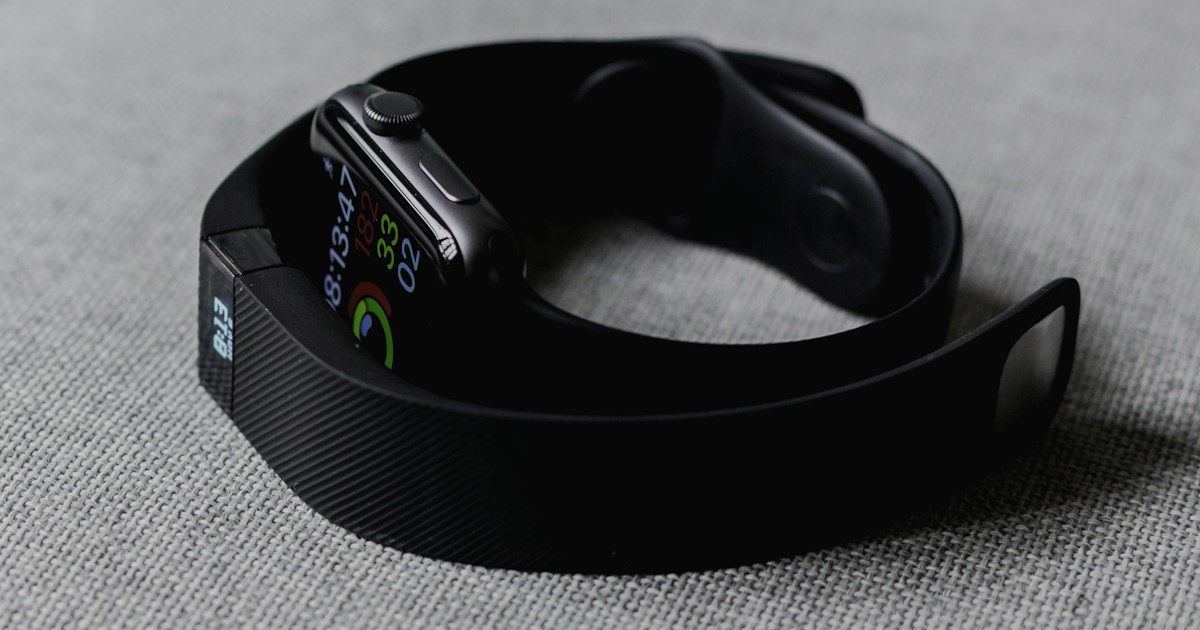
Smartwatch vs Fitness Tracker: Which Should You Buy in 2026?
Smartwatch vs fitness tracker is one of the most frequent dilemmas when upgrading personal health tech. রহস্যময় আটলান্টিস ও প্রাচীন মায়া সভ্যতা: মানব ইতিহাসের অমীমাংসিত বিলুপ্তি ও রূপকথার গোলকধাঁধা. While both devices occupy your wrist and track steps, heart rate, and sleep, they are engineered for fundamentally distinct lifestyles.
This side-by-side comparison evaluates battery life, display ergonomics, sensor precision, companion software, and subscription costs to guide your purchasing decision across the US, UK, and European markets.
Core Architectural Differences
| Feature | Typical Fitness Tracker | Typical Smartwatch |
|---|---|---|
| Battery Life | 7 to 14+ Days | 1 to 3 Days |
| Display | Compact AMOLED / Monochrome | Large, High-Resolution Color Touchscreen |
| Apps & Payments | Minimal or None | NFC Payments, App Store, Voice Assistants |
| GPS Navigation | Connected GPS (Uses Phone) | Built-in Multi-Band GPS |
| Weight & Comfort | Ultralight (20–30g); Ideal for Sleep | Substantial (45–70g) Watch Body |
1. Battery Life: A Fundamental Lifestyle Decision
Battery longevity determines how seamlessly a wearable integrates into your routine. দারাজের বহুল আলোচিত গ্যাজেট: দীর্ঘদিনের ব্যবহারের নিরপেক্ষ রিভিউ ও ক্রেতা নির্দেশিকা. A fitness tracker that operates for nearly two weeks on a single charge allows continuous 24/7 sleep tracking without battery anxiety. In contrast, full-featured smartwatches with bright always-on OLED displays and cellular radios necessitate daily or every-other-day charging routines.
2. Health Sensor Accuracy & Biometric Data
Modern wrist-worn optical photoplethysmography (PPG) sensors provide reliable metrics for:
- Resting Heart Rate (RHR) & Heart Rate Variability (HRV): Reliable indicators of recovery, autonomic nervous system balance, and cumulative stress.
- SpO2 (Blood Oxygen): Useful for identifying potential sleep apnea patterns or high-altitude acclimatization.
- Sleep Architecture: Estimates durations across Light, Deep, and REM sleep cycles based on actigraphy and micro-heart rate fluctuations.
- ECG & Arrhythmia Alerts: FDA and CE-cleared electrocardiogram capabilities on select flagship models.
3. OS & Smartphone Ecosystem Compatibility
Compatibility remains the single most common pitfall in wearable shopping:
- Apple Watch: Strictly requires an Apple iPhone. Incompatible with Android devices.
- Wear OS 4 / 5 (Google Pixel, Samsung Galaxy Watch): Requires an Android smartphone. Incompatible with iOS.
- Cross-Platform Specialists (Garmin, Polar, Fitbit, Amazfit): Function reliably across both iOS and Android platforms with dedicated companion apps.
4. Beware of Hidden Subscription Paywalls
Several popular health wearables now lock advanced recovery scores, historical metric archives, and personalized fitness coaching behind recurring monthly or annual subscription fees. Always verify what features remain permanently free before committing to hardware.
Frequently Asked Questions

আপনার মন্তব্য প্রকাশ করুন
মন্তব্য লিখতে ও আলোচনায় অংশ নিতে আপনার একাউন্টে লগইন করুন।