How to Build a Pro 4K Creator Studio in a Small Apartment (2026 Setup Guide)

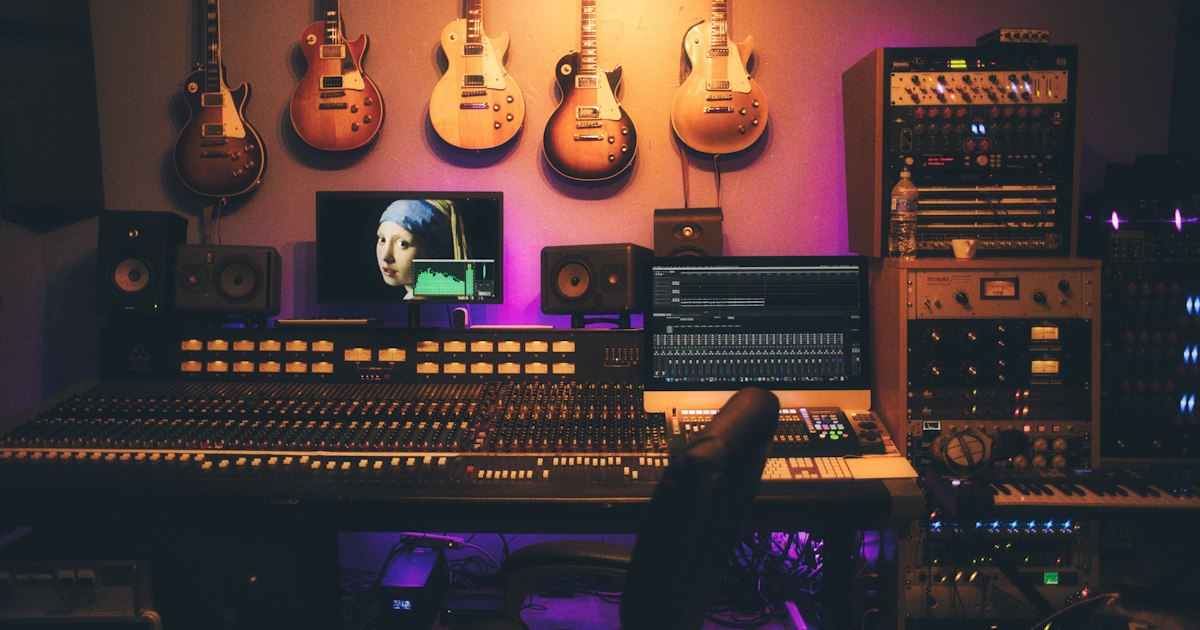
Producing broadcast-grade 4K video content for YouTube, BTube, client deliverables, and professional live broadcasting does not require renting an industrial soundstage. দারাজের বহুল আলোচিত গ্যাজেট: দীর্ঘদিনের ব্যবহারের নিরপেক্ষ রিভিউ ও ক্রেতা নির্দেশিকা. In 2026, advances in compact dual-base ISO camera sensors, miniaturized Chip-on-Board (COB) lighting fixtures, articulating desk clamps, and intelligent acoustic treatments make it possible to run a high-output production studio inside a tight 9x9 foot New York flat, a London terraced bedroom, or a compact European city apartment.
The secret to conquering small-space video production lies in three governing principles: vertical space reclamation, controlled directional illumination, and surgical acoustic absorption. When floor space is treated as a finite luxury, your walls, ceiling joints, and desk frames become your primary production grid.
In this comprehensive, 1,750-word authority setup guide, we walk through the exact spatial geometry, hardware selection, acoustic dampening protocols, and step-by-step assembly required to turn any compact residential room into an uncompromising 4K content studio.
1. Spatial Physics: The Small Studio Dilemma
Before buying a single light or microphone, you must understand the three unavoidable physical challenges of compact rooms:
1. Short Focal Throw: In a room where the distance from your sitting position to the rear wall is under six feet, standard 35mm and 50mm lenses will crop uncomfortably close to your nose. You need wide-angle optics that deliver optical depth without distorting facial proportions.
2. Acoustic Flutter Echo: Parallel flat drywall surfaces create rapid high-frequency sound wave bounces. When you speak, your microphone captures both your direct voice and hundreds of delayed wall reflections, producing a hollow, amateur "tin-can" resonance.
3. Thermal Accumulation: Compact rooms heat up quickly when high-wattage equipment is left running. Passive cooling fixtures and efficient LED chips are mandatory to prevent fan noise from ruining your audio recordings.
2. Zero-Footprint Mounting: Eradicating Floor Stands
The single most common mistake beginner creators make in small apartments is deploying traditional three-legged light stands and camera tripods. রহস্যময় আটলান্টিস ও প্রাচীন মায়া সভ্যতা: মানব ইতিহাসের অমীমাংসিত বিলুপ্তি ও রূপকথার গোলকধাঁধা. A standard light tripod consumes a 36-inch circular footprint of floor area. Three tripods will completely paralyze a small room.
The C-Clamp and Rigging Solution
- Heavy-Duty Desk Clamps: Use solid aluminum desk-mounted articulating arms (such as the Elgato Master Mount L or SmallRig Desktop Boom Series). Clamp your key light, your mirrorless camera, and your teleprompter directly to the rear frame of your studio desk.
- Tension Rod Floor-to-Ceiling Poles: Floor-to-ceiling spring-loaded pressure poles allow you to suspend heavy softboxes, hair lights, and acoustic curtains directly against corner walls without drilling into rental drywall.
- Magnetic Cable Channels: Route high-speed HDMI 2.1, XLR, and USB-C 10Gbps lines along the underbelly of your desk frame using magnetic clips, eliminating hazardous wire tangles.
3. In-Depth Gear Breakdown: Tested Small Studio Picks (2026)
A. The Core Camera: Sony FX30 / Sony ZV-E1
The camera serves as the optical centerpiece of your setup. In small spaces, you need clean dual-base ISO to maintain spotless shadow detail without generating digital grain.
- Why It Wins: The Sony FX30 provides a Super 35 (APS-C) 4K sensor with 6K oversampling, active internal fan cooling for unlimited recording without overheating, and dual native ISO (800 / 2500). If budget allows, the full-frame Sony ZV-E1 offers unmatched low-light shallow depth of field.
- Key Specs: 4K 60p 10-bit 4:2:2 internal recording, S-Cinetone color profile, dedicated tally lights, clean HDMI output.
- Pros: Zero overheating limits; rock-solid real-time autofocus with eye tracking; compact camera cage compatibility.
- Cons: APS-C 1.5x crop requires ultra-wide optics (11mm–16mm).
- Ideal For: Solo video essayists, coding educators, and tech reviewers.
B. The Wide Prime Lens: Sigma 16mm f/1.4 DC DN Contemporary
- Why It Wins: In a tight studio where your desk sits only 3.5 feet away from the lens, the Sigma 16mm provides a natural 24mm equivalent field of view. Its ultra-bright f/1.4 aperture creates creamy background blur (bokeh) that softens your wall details, visually isolating you from clutter.
- Key Specs: f/1.4 to f/16 aperture, stepping AF motor, 9-blade circular diaphragm, 405g weight.
- Pros: Exceptional sharpness edge-to-edge; dramatic cinematic background separation; stellar light intake.
- Cons: Lacks optical image stabilization (must rely on tripod/desk clamp stability).
- Ideal For: Desk-based talking head formats in rooms under 100 square feet.
C. The Key Lighting Engine: Amaran 100x S + 26-Inch Lantern Softbox
- Why It Wins: Never illuminate a small room with direct, harsh LED bulbs. The Amaran 100x S features upgraded dual-blue LED chipset technology, achieving an astonishing SSI (Spectral Similarity Index) of 89 in tungsten and 87 in daylight.
- Key Specs: 100W bi-color output (2700K–6500K), Bowens mount, silent fan mode, Bluetooth app control via Sidus Link.
- Pros: Perfectly natural, healthy human skin tones; silent operation; wide color temperature flexibility.
- Cons: Requires Bowens softbox adapter ring which adds 14 inches of depth.
- Ideal For: Professional creators demanding true-to-life broadcast color reproduction.
D. The Directional Microphone: Sennheiser MKE 600 / Rode NTG5
- Why It Wins: While large-diaphragm condenser mics look cool, they pick up computer fans and street traffic. A short shotgun microphone with a tight supercardioid pickup pattern rejects ambient reflections from untreated walls.
- Key Specs: Short interference tube design, low-cut filter switch, phantom power or internal AA battery operation.
- Pros: Extreme off-axis noise rejection; can be positioned 18 inches above your forehead out of camera frame.
- Cons: Requires deliberate overhead angle aiming toward your mouth.
- Ideal For: Clean vocal dialogue without wearing lapel mics or obscuring your face.
E. Audio Interface: Elgato Wave XLR / Focusrite Scarlett Solo 4th Gen
- Why It Wins: Delivers up to 75dB of ultra-clean analog gain, eliminating the need for inline Cloudlifter signal boosters. Features built-in hardware clipping prevention (Clipguard) that guarantees your audio never distorts.
- Key Specs: 24-bit / 96kHz analog-to-digital conversion, capacitive mute touch button, hardware crossfade monitoring.
- Pros: Zero background hiss; compact desktop footprint; intuitive tactile dial.
- Cons: Single XLR input limits multi-guest in-person recording.
- Ideal For: Solo creators and remote executives.
4. Complete Small Studio Hardware Comparison Matrix
| Component | Flagship Creator Pick | Value Alternative | Distinct Advantage | Mount Style |
| :--- | :--- | :--- | :--- | :--- |
| Camera | Sony FX30 (Cinema Line) | Sony ZV-E10 II | Unlimited 4K 60p with internal fan | Heavy Desk Clamp |
| Optics | Sigma 16mm f/1.4 DC DN | Viltrox 13mm f/1.4 AF | Ultra-wide cinematic background separation | E-Mount Native |
| Key Light | Amaran 100x S + Lantern | Elgato Key Light MK.2 | SSI 89 dual-blue LED chipset natural skin tones | Desk Boom Clamp |
| Microphone | Sennheiser MKE 600 Shotgun | Rode VideoMic NTG | Supercardioid off-axis acoustic reflection rejection | Overhead Boom Arm |
| Interface | Elgato Wave XLR | Focusrite Scarlett Solo 4th | 75dB low-noise preamp & hardware Clipguard | Desktop Compact |
| Monitor/Hub| Dell UltraSharp 32 4K USB-C | LG 27UP850N-W | 90W single-cable USB-C power delivery | Articulating VESA |
5. Acoustic Treatment Without Damaging Rental Walls
A common fear among apartment dwellers is security deposit forfeiture due to wall adhesive damage or drill holes:
1. Heavy Moving Blankets on Tension Shower Rods: Mount spring-loaded tension rods directly between two parallel walls and drape 80-pound sound dampening blankets. This cuts high-frequency flutter echo by up to 70% with zero wall contact.
2. Dense Floor Area Rugs with Felt Underlayment: Hardwood and laminate flooring act as acoustic mirrors. Layering a thick wool rug with an 8mm rubber-felt acoustic underlay absorbs downward vocal energy.
3. Corner Bass Trap Freestanding Towers: Place two triangular acoustic foam towers in the rear corners behind your camera to trap muddy low-frequency resonance.
6. Step-by-Step Calibration & Alignment Protocol
To achieve flawless color and sound on day one, execute this 5-step checklist:
- Step 1: Set 180-Degree Shutter Rule: Lock your camera shutter speed at exactly double your framerate (e.g., shooting 4K at 24fps requires a locked 1/50s shutter; 60fps requires 1/125s) to guarantee natural, cinematic motion blur.
- Step 2: Manual White Balance with 18% Grey Card: Never shoot on Auto White Balance (AWB). Set your Amaran 100x S to 5600K (Daylight) and calibrate your camera's custom white balance using an inexpensive grey card.
- Step 3: Gain Staging Audio Levels: Speak at your loudest natural volume and adjust the Wave XLR gain dial until peaks hover comfortably between -12dB and -6dB on your digital recording meter, leaving plenty of safe dynamic headroom.
- Step 4: Three-Point Lighting Geometry: Position your key light 45 degrees to your left, slightly above eye level. Place a subtle 20W RGB tube light (like the Nanlite Pavotube II 6C) on a shelf behind you to paint warm ambient hair/rim separation.
- Step 5: Cable Dressing: Secure all cables to desk leg channels with reusable velcro ties. Keep high-voltage AC power cables at least four inches away from unshielded microphone audio lines to eliminate 60Hz ground hum.
7. Common Small Apartment Studio Mistakes to Avoid
- Mistake 1: Placing the Desk Flush Against the Wall: Sitting with your back glued to the rear wall destroys optical depth. Pull your desk 18 to 24 inches forward, allowing the camera to see open spatial layers behind you.
- Mistake 2: Using Cheap On-Camera Microphones: On-camera shotgun mics sit 4 to 6 feet away from your mouth, capturing excessive room reverberation. Mount your mic on an overhead boom arm positioned within 18 inches of your lips.
- Mistake 3: Relying on Natural Window Light: Daylight constantly shifts in color temperature and intensity as clouds pass. Black out your studio windows with blackout roller blinds and rely exclusively on controlled artificial fixtures.
- Mistake 4: Overheating the Room with Hot Halogens: Cheap shop lights or old tungsten bulbs turn compact rooms into saunas within 20 minutes. Modern high-efficiency LEDs emit minimal radiant heat and run cool for hours.
- Mistake 5: Neglecting Backup Storage: Shooting uncompressed 10-bit 4K video consumes upwards of 100GB per hour. Keep a high-speed NVMe portable SSD connected directly to your editing workstation.
8. Summary: Your High-Impact Compact Production Roadmap
Transforming a compact apartment into a professional 4K creator studio is an exercise in intentional gear selection. By investing in wide-angle fast glass, overhead boom clamps, and directional acoustic management, you eliminate the physical limitations of small rooms. Your audience will never suspect your broadcast-quality content was produced in a modest bedroom flat.


আপনার মন্তব্য প্রকাশ করুন
মন্তব্য লিখতে ও আলোচনায় অংশ নিতে আপনার একাউন্টে লগইন করুন।