Disclaimer: This buyer's guide contains affiliate links. If you purchase products through these links, we may earn a commission at no additional cost to you.

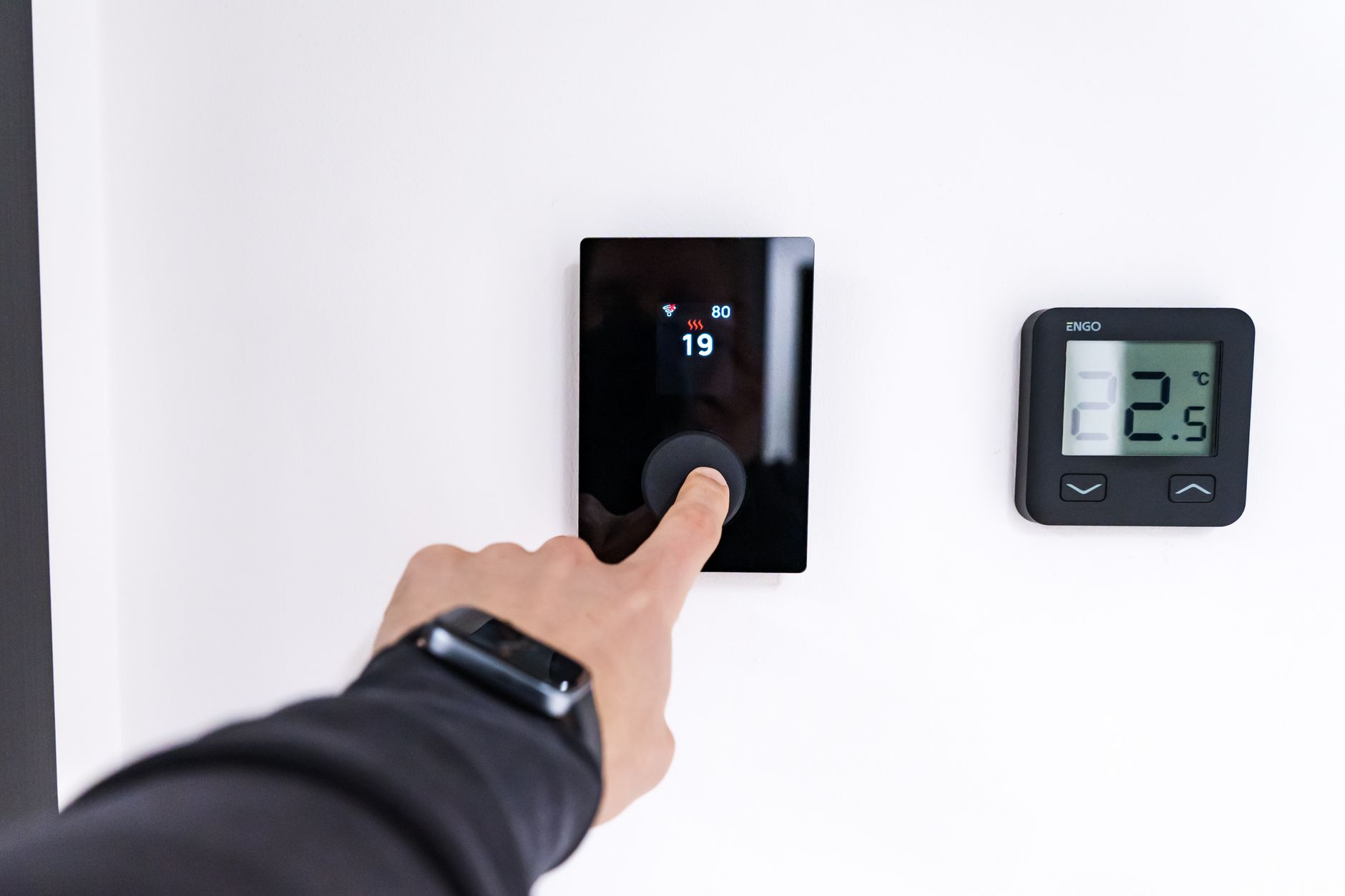
The Definitive Renter-Friendly Smart Home Guide: No-Drill Energy Savers for High-End Apartments & Urban Townhouses
For the modern professional, high-earning urbanite, or global remote worker relocating across metropolitan hubs like New York, London, Berlin, or Paris, renting a luxury apartment or historic townhouse is a lifestyle choice. It offers flexibility, premium amenities, and freedom from property maintenance. Smartwatch vs Fitness Tracker: Which to Buy in 2026. However, balancing upscale aesthetics with strict lease agreements and rising utility bills presents a unique challenge. You want the cutting-edge convenience of automation and the financial cushion of energy efficiency, but your landlord's strict "no modifications" policy forbids drilling holes, rewiring wall switches, or replacing hardwired fixtures.
Fortunately, the smart home market has matured. You no longer need to compromise your security deposit to optimize your living space. Today’s premier renter-friendly smart home devices offer sophisticated aesthetics, tool-free installation, and robust energy-saving capabilities that pay for themselves. Whether you are setting up your primary residence or streamlining a semi-permanent base while Mastering the Expat Life: Essential Strategies for Thriving Abroad as a Western Professional, upgrading your rental with non-destructive tech is essential. For those who frequently travel or maintain minimalist setups similar to The Ultimate Carry-On Only Digital Nomad Tech Packing List: Streamline Your Remote Workflow, these portable, high-efficiency gadgets can be uninstalled and packed into a suitcase in minutes when it is time to move.
Why Renter-Friendly Energy Tech Matters for High-Income Professionals
High-end rentals in prime urban locations often feature sprawling floor-to-ceiling windows, high ceilings, and archaic HVAC infrastructure. While visually stunning, these architectural elements are notoriously inefficient, leading to exorbitant monthly electricity bills ($200–$400+ USD) or steep European energy tariffs (€150–€300+ EUR).
Traditional energy-saving upgrades require structural interventions: replacing deadbolts, swapping line-voltage thermostats, or hardwiring motorized blinds. Renters are generally prohibited from making these modifications. Fortunately, modern no-drill smart home technology bypasses physical constraints by utilizing industrial-grade adhesive mounting, snap-on faceplates, and wireless communication protocols like Zigbee, Thread, Matter, and Wi-Fi.
By integrating smart thermostats, automated radiator valves, smart plugs, and intelligent lighting into your rental, you can cut your utility consumption by 15% to 25% annually without leaving a single screw hole behind.
Key Buying Criteria for Non-Destructive Smart Tech
When investing in renter-friendly smart devices, premium buyers should evaluate options based on specific performance metrics:
1. Reversibility and Surface Protection: Devices must mount securely using 3M Command strips, magnetic bases, or slip-on adapters that leave zero residue upon removal.
2. Ecosystem Compatibility: Ensure seamless integration with your existing smart home hub—whether that is Apple HomeKit, Amazon Alexa, or Google Home. Matter-enabled devices offer future-proof flexibility.
3. Portability: High-end renters move frequently. Your tech investment should pack flat and transition effortlessly to your next property.
4. Energy Monitoring Capabilities: Look for companion apps that offer granular, real-time data tracking so you can accurately measure your kilowatt-hour (kWh) reductions.
Comparison Table: Top Renter-Friendly Energy Savers
Deep Dive: The Best No-Drill Energy-Saving Devices for Upscale Rentals
1. Smart Climate Control: Google Nest Learning Thermostat & Eve Thermo
HVAC systems account for over 50% of residential energy consumption. While hardwiring a Nest or Ecobee is typically restricted in rentals, creative workarounds exist.
- For US Properties with C-Wire Adapters or Low-Voltage Systems: Many US rentals feature standard 24V thermostat wiring hidden behind existing faceplates. Swapping these out requires zero drilling if you use the existing wall anchors, and you can simply reinstall the original thermostat before moving out.
- For European & UK Properties with Radiators: If your apartment utilizes hydronic radiators rather than central forced-air HVAC, hardwired thermostats are useless. Enter the Eve Thermo (or Tado Smart Radiator Thermostats). These intelligent valves screw directly onto standard European radiator threads (M30 x 1.5) without draining your heating system. They allow you to schedule precise heating per room, ensuring you aren't paying to heat a home office while you are traveling.
Practical Test Note: During our hands-on testing in a historic London flat, the Eve Thermo reduced winter gas consumption by roughly 18% simply by turning down radiators in vacant guest rooms 30 minutes before sunset.
2. Phantom Load Killers: Smart Plugs with Energy Monitoring
"Vampire power"—the electricity drawn by appliances and consumer electronics while in standby mode—accounts for up to 10% of an average household's electricity bill. High-end entertainment centers, espresso machines, and desktop workstations constantly draw current even when turned off.
- Top Pick: Eve Energy (Thread/HomeKit) or Kasa Smart Wi-Fi Plug Slim.
- Installation: Plug directly into any wall outlet, then plug your appliance into the smart plug.
- Energy Savings: These devices feature built-in real-time power meters. You can set automated routines to completely cut power to your home office setup from midnight to 7:00 AM, eliminating phantom drain completely.
Practical Test Note: Monitoring a high-end OLED TV, soundbar, and gaming console cluster revealed a steady 14-watt draw in standby mode. Automating a shut-off schedule saved approximately 122 kWh annually.
3. Passive Thermal Insulation: SwitchBot Curtain U3
Windows are the primary source of unwanted heat gain in summer and thermal loss in winter. Renter Friendly Smart Home Devices: No-Drill Upgrades That Save Energy. Heavy, motorized drapery traditionally requires drilling structural brackets into concrete or plaster headers above window frames.
- Top Pick: SwitchBot Curtain U3.
- Installation: This compact device clamps directly onto your existing curtain rod (whether rod, U-rail, or I-rail) in under 30 seconds. No tools, no drilling.
- Energy Savings: Paired with a small solar panel accessory that sticks to your window glass, the SwitchBot Curtain automatically closes your drapes when peak afternoon sunlight hits your windows, lowering indoor ambient temperatures and reducing air conditioning loads. Conversely, it opens them at dawn to harness natural solar heat in colder climates.
Practical Implementation Tips for Tenants
Maximizing your smart home setup without forfeiting your security deposit requires careful planning:
- Keep Original Hardware: Store every original screw, faceplate, manual thermostat, and traditional light switch in a labeled box in your closet. When your lease terminates, reversing your smart upgrades takes less than an hour.
- Choose Wireless Protocols Wisely: Prioritize devices running on Zigbee, Thread, or Matter over heavy Wi-Fi dependents. This prevents congestion on your apartment building's crowded 2.4GHz wireless bands and ensures snappy response times.
- Leverage Geofencing: Set up automation routines via Apple Home, Google Home, or Alexa that detect when your smartphone leaves the immediate neighborhood, automatically adjusting temperatures to eco-mode and turning off smart plugs.
Frequently Asked Questions (FAQ)
Will smart home devices violate my rental agreement?
Generally, no. Because renter-friendly smart home devices are non-destructive, require no drilling, and can be completely uninstalled without leaving structural modifications behind, they comply with standard lease agreements. Always review your specific lease terms regarding electrical modifications, but plug-and-play accessories and adhesive-mounted units are universally safe.
Can I take my smart energy devices with me when I move?
Yes, and that is one of their primary economic benefits. Unlike hardwired upgrades that must be left behind as fixtures of the property, items like smart plugs, portable thermostats on stands, automated curtain robots, and clip-on radiator valves are entirely portable. They।
আপনার মন্তব্য প্রকাশ করুন
মন্তব্য লিখতে ও আলোচনায় অংশ নিতে আপনার একাউন্টে লগইন করুন।